Pas perdus – Dedans
Description of the exhibition
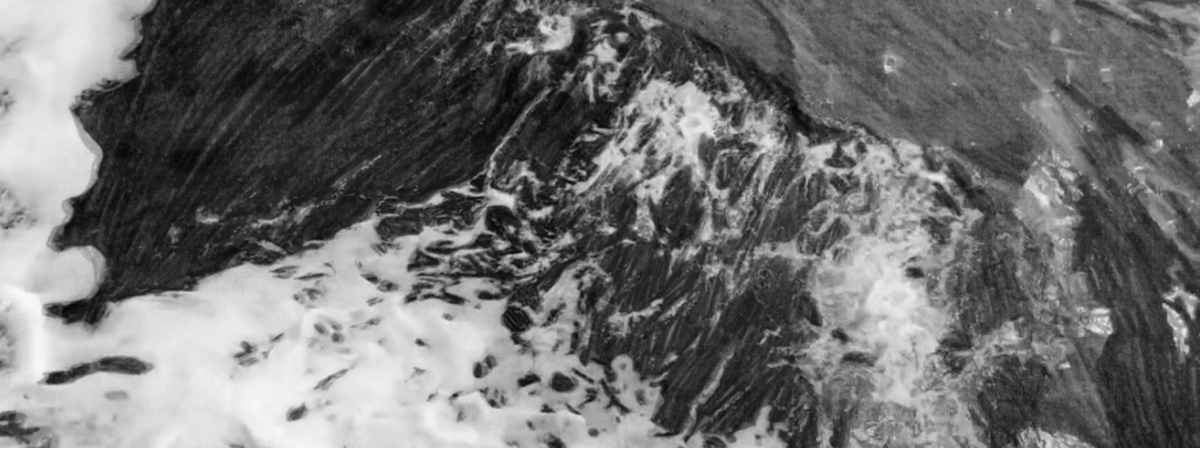
The escalation of climate change is gradually being felt through rising water levels, caused by the ice melt, that continue to flow southward. Conversely, climate instability has provoked the forced migration of many populations toward the north. In the exhibition space, Maria Ezcurra reflects the urgency of these issues by amassing a collection of emergency blankets. Arranged to form a reflective labyrinth, the blankets engage in a direct relationship with our bodies— heightened by the thought of needing to cover ourselves with one. This disorienting experience, which evokes the movements of migrants, references some of the violence they experience during their journeys and the systemic neglect that underlies them.
In contrast with the installation’s coldness, an adjoining room focusing on public outreach initiatives symbolizes the welcoming warmth of connection. Offering space for open creativity with a focus on textiles, it acts as a gentle reminder that care, craft, and community are potent allies against exclusion. In this way, “the work evokes fragility and resistance and reveals how survival can be both collective and precarious.”
Pas perdus – Dehors
Description of the exhibition
In a neighbourhood permeated by homelessness and whose spaces, paradoxically, are left empty, Maria Ezcurra has built a refuge of sorts. She describes it as “a material interruption in the landscape, inviting us to reflect on who is allowed to stay, who must leave, and how we take care of each other in shared spaces.” Made with emergency blankets—like her indoor installation at Le Lieu—and shaped like a child’s drawing of a house, this work offers temporary shelter. But once inside, we see that its four walls and roof provide little in the way of actual comfort. The Shelter weaves together international issues—the climate crisis and its migratory fallout—with the local housing crisis and urban gentrification. Winter is particularly harsh for the unhoused, much as it is for displaced migrants.